How A Story Travels: Reimagining the form and process of making a film
Essay by Richa Rudola.
In 2020, when I was part of the Stowe Narrative Lab, I arrived with what I now recognize as a quiet but powerful assumption: that a story’s job was to find its form and then be finished. I’d like to explain what I mean by that here. When I told the Stowe team about it, they thought it worth sharing with the broader community.
The project I took to the lab - One Rose - existed as a television pilot, and I believed the primary markers of progress were structure, tone, and destination. I believed that you whittled away at an idea until you “cracked” it.
What I didn’t yet know was how much life would intervene. Needless to say, a global pandemic was in full swing. I was pregnant for much of that year, and in 2021 I gave birth. The postpartum period that followed was both tender and disorienting, marked by a deep desire to keep moving creatively even as my internal landscape shifted. In continuing to push forward One Rose, a different story began to surface - one that eventually became my latest short film Cow Heavy And Floral. Years later, I would return to One Rose again, this time choosing to adapt it into a feature screenplay, a process that continues to unfold. These projects, shaped by different moments of my life, have taught me that stories don’t simply move forward; they move outward, revealing their form only when we stay with them long enough.
For a long time, I believed the only responsible way to work was sequentially. One project at a time. One clear lane. Especially as a new parent navigating exhaustion and resetting, this approach felt necessary - protective, even. I focused my energy on moving a single story forward, trusting that discipline would lead to coherence.
Life expanded faster than my frameworks. As I became a working mother with two careers, I found myself holding multiple projects at once, each at a different stage of development. What once felt unimaginable began to feel like abundance. Still, the ever-loaded word “balance” remains elusive; some days it feels nearly impossible to tend to everything with the care it deserves. The more useful practice has been learning to slow down - to do what I can today, and leave the rest for later. Patience and trust.
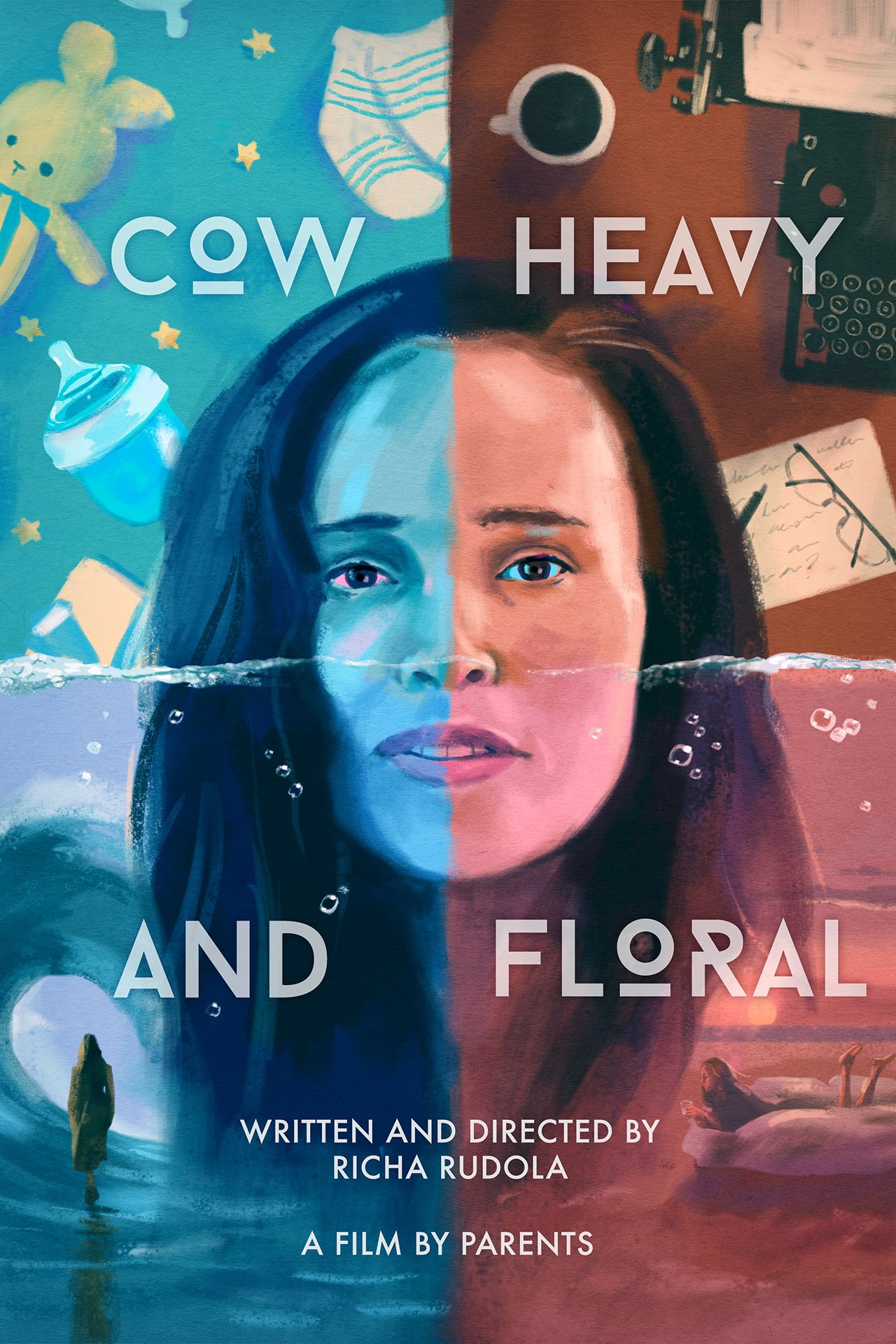
With Cow Heavy And Floral, that trust led me to make a decision that initially felt counterintuitive. Instead of focusing solely on the film’s circulation through traditional channels like film festivals, I chose to think deliberately about how audiences might encounter the work, where to find them, and what might happen if that encounter were designed with the same care as the film itself. I didn’t have a roadmap. What I had was a growing sense that the story’s life couldn’t be contained by a single screening or festival run.
That instinct, alongside an excellent advisory team, led me to experiment with new forms of audience engagement: intimate screenings, guided conversations, and partnerships that treated the film not as a finished object, but as an invitation.
Over time, this journey was reflected back to me through a Kinema case study, which traced how the film’s life expanded through intentional audience design and sustained community engagement. What surprised me most was not the reach of the film, but the clarity it offered. I began to understand audience engagement not as outreach, but as authorship - another layer of narrative choice.
Taken together, these experiences reshaped how I understand form itself. I no longer see it as something that ends at the edge of the frame or the final page. Form includes how a story travels, who it gathers, and the conditions under which it is allowed to breathe. This realization has quietly informed my return to One Rose in its reimagined role as a feature film. The shift was not simply about scale, but about permission: to let the story deepen, to accommodate complexity, and to take creative risks with greater confidence.
I’m convinced all artists go through this stage in their own ways and timelines.
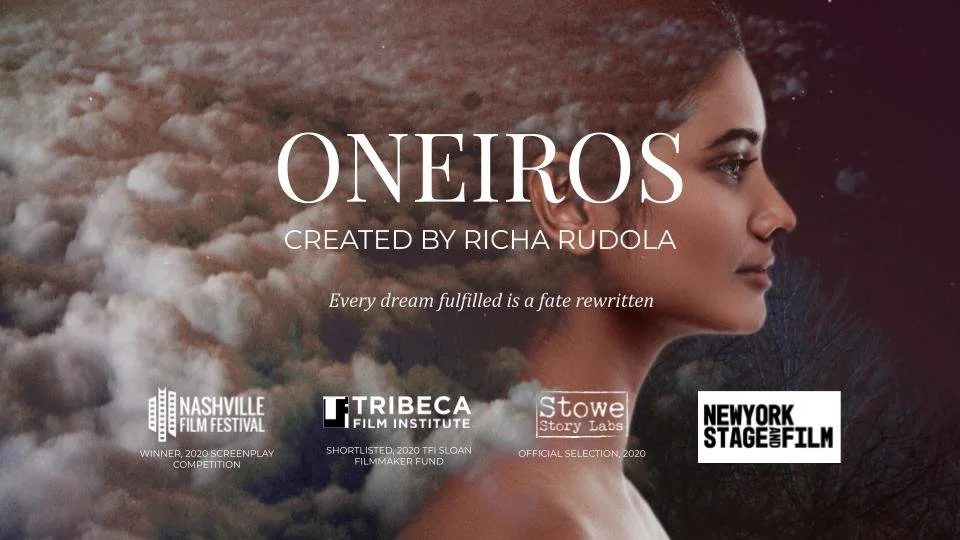
Looking back, I see now that what Stowe offered me was not simply support for a project, but an orientation toward time. Today, as I continue developing One Rose (now retitled Oneiros) alongside several new projects - each asking for something different - I am less concerned with arrival than with attentiveness. As an artist and a parent, I try to stay present, listen closely, and allow the work to move at its own pace. That practice has changed not only how I create, but how I stay in relationship with the stories themselves.

Richa Rudola
Richa Rudola is an award-winning filmmaker from India whose work explores identity, consciousness, and other interior worlds. With a background spanning both analytical and creative disciplines, she is drawn to stories that engage the mind and the heart, blending intellectual curiosity with emotional depth.