
Becoming a Creator: An Interview with Screenwriters and Showrunners Mark Protosevich, Sanjay Shah, and Derek Simonds.
Interview by David Rocchio.
Beginnings
What drew you to writing and film?
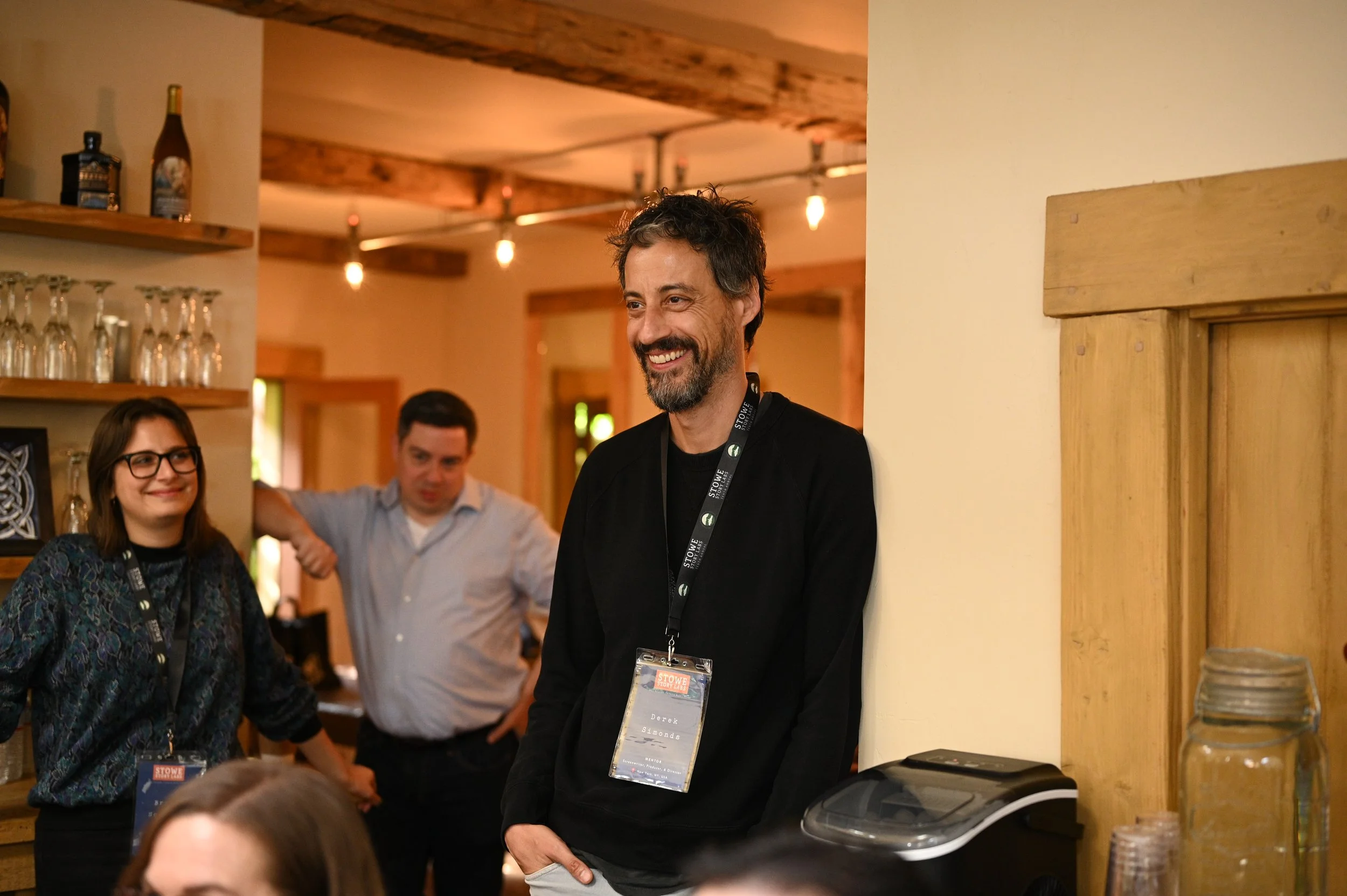
Derek Simonds Mentoring at a Stowe Story Labs Writers’ Retreat
DEREK: I saw E.T. when I was ten years old, the exact age of the main character, Elliott. I wanted to be Elliott so badly that I was heartbroken, and I realized even then that the only way I could rectify this travesty was to create my own stories. I’ve been pretty focused on storytelling in the film medium ever since.
SANJAY: I was accidentally writing my way out of bad situations for a while. Whether it was the essay that got me into college, an Airwalk shoe company writing contest that won me enough money to pay for my first year there, or the personal statement that helped me land a job. After I graduated, I was doing stand up and was barely making ends meet. Another stand up suggested I try getting a job writing on half hour comedies to support myself better. It took me a few years to write a sample good enough to get me a job, but eventually I did. So writing got me out of being a broke ass stand up too.
MARK: I’ve been passionate about film since I was a boy. There was always something magical and alluring about the movies for me - more than any other art form - and I’ve been a rather obsessive cinephile my whole life. I studied film at Columbia College Chicago and focused primarily on screenwriting, although I directed a few short films, and briefly considered pursuing a graduate degree in film history, theory, and criticism - but the part of me that needed to create my own stories rejected that notion pretty quickly.
It is interesting how you can’t not do it. Sanjay talked a bit about doing the work to get seen. More specifically, how did you each first break in? What was it that brought attention to your work?
DEREK: I wrote and directed a micro-budget feature called SEVEN AND A MATCH. That got me signed by a major agency. I was initially pretty invested in trying to follow the trajectories of 90s directors like Anthony Minghella, Steven Soderbergh, Alexander Payne, Todd Solondz, Todd Haynes. But my career advanced more noticeably when I moved out of the write-and-wait game of trying to finance indies and started pitching TV. I focused on pitching original pilots to broadcast networks, and I allowed myself to write genre stories - sci-fi, horror, detective procedural - that I had resisted before. After selling a few pilots, I had established relationships with several producers and execs that led me to staffing opportunities and the open writing assignment that became THE SINNER.
SANJAY: I was doing stand up, had a webcomic that had a solid niche audience, wrote a spec and an original pilot. I hustled my way to a literary agent who read my work and offered to rep me. I’ve been with that same agent ever since - for 20 years now. I think the combo of things I was doing at the time piqued his interest enough to land me a meeting. I also think I came across as someone who would work hard to get a writing job for myself with or without his help – and I think any agent would love that. It’s less work for them!
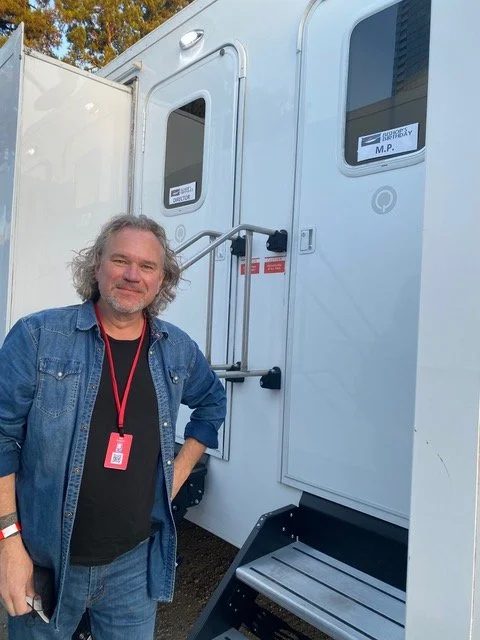
Mark Protosevich on the set of SUGAR
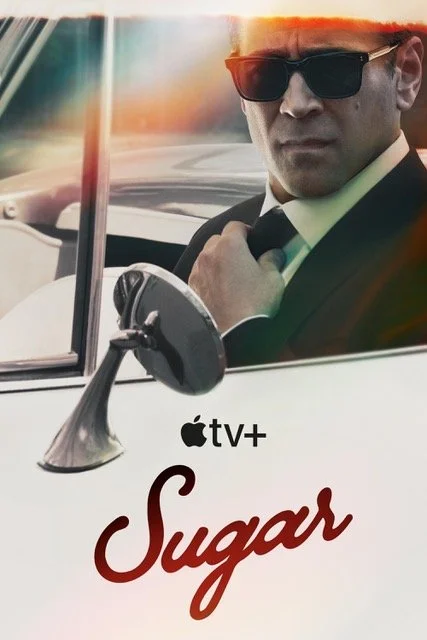
MARK: I started out as a “reader” and was even in the story analysts union. Early on I worked for Scott Rudin and I often say that in the year I worked for him, I learned more about what makes a great script than I did in four years of film school. I had moved to LA to establish myself as a screenwriter, but for seven years, I made my living as a reader and later as a development executive, at Columbia, Orion, and MGM. I had zero intention of becoming a “suit,” but I somehow worked my way up to the VP level. During that period, I was always writing in my spare time, and managed one feature script every year. Everyone I worked with knew what I really wanted to be doing, and some of those people were very helpful in getting my work seen by agents, but I wasn’t able to make the transition to being a professional writer until I sold THE CELL as a spec script. That script was sent out by my agent as a writing sample and it’s what led me to the opportunity to adapt I AM LEGEND. My original script for I AM LEGEND got a lot of attention and I’ve been a working writer ever since - for thirty years now. I worked exclusively in features for the great majority of that time and only made the transition to TV recently, when I created SUGAR.
Any stumbles or wrong turns along the way? If so, please give us an example of one.
DEREK: I think the main stumble for me was that I was so dead-set on a certain vision of the kind of career I wanted - the indie writer/director - that I kept myself from pursuing other avenues, like TV. It took a lot of frustration and some lost years before I opened up to other possibilities in the industry. I tell early career writers to be flexible and to not cut themselves off from opportunities, even if they don’t look exactly like the thing you set out to do.
SANJAY: My whole career has been trying to make the best out of stumbles and wrong turns. I had several other jobs before turning to stand up and tv writing – I consider all of those attempts at different careers as wrong turns. But within my current career, I think a stumble was my decision to quit stand up and focus just on tv writing. I was doing stand up at a really interesting time, just before it became all about podcasts and clips. It was so analogue and fun. But I felt like if I really wanted to achieve something in TV, I had to fully commit. Maybe it was the right decision. But I wonder if I was too binary about it.
MARK: There’s a concept in psychology called the “inner critic.” It’s that voice in your head that constantly points out faults, failures, bad choices, missed opportunities, etc. Let’s just say I have a VERY active inner critic, who often likes to wake me up and remind me of these things at 3:30 in the morning. However, having spent many years in therapy, I’ve come to realize that the inner critic is only trying to help. It’s pointless to wallow in “what could have been” or beat yourself up thinking “I should’ve done that instead,” but it’s helpful to look at what our inner critics tell us and learn from it. I’ve had numerous stumbles and taken plenty of wrong turns, but I’d like to think that I won’t make similar mistakes again. At least I sure as hell hope so.
For example, my original desire was to write the scripts for all the episodes of SUGAR myself. Bear in mind I had no experience in TV, and had never been in a writers room. I was a feature guy, used to working by myself. I wrote the first two episodes on spec before we even tried to sell the show, and I had outlined the other six. I had a very clear vision of what I wanted the show to be and I had support from the star, producers, and studio in regard to creating a “bespoke” show… until Colin Farrell’s schedule changed. That changed everything. And believe me, I’ll never attempt writing “solo” on a show again. I suppose there was hubris involved, but more than that, you never know when a curve ball is going to be thrown your way, upsetting any best laid plans.
Writing a Show
I remember Derek saying he also was rushed on the SINNER. Derek, can you talk about that? And for all of you and more generally, what was the process when your first show was greenlit? (How long did you have to get started, how did you put together the team, etc.)
DEREK: USA bought the pilot script I wrote of THE SINNER and just a few weeks later they ordered the pilot. I had only 2 weeks to find a director before heading to South Carolina, where we shot the pilot. It was very by-the-seat-of-your-pants filmmaking. After turning in the pilot before the holidays, we were greenlit a few weeks later.
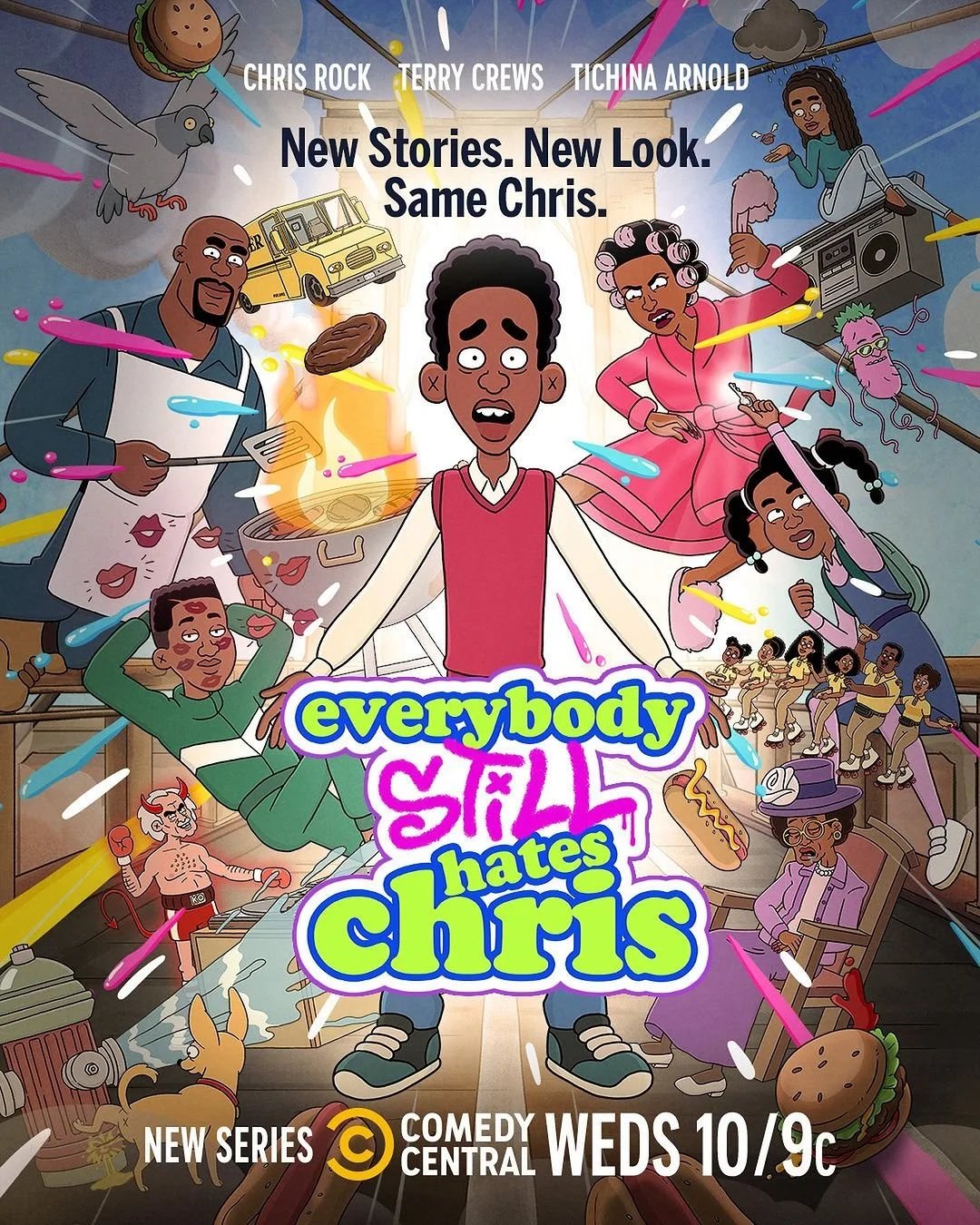
SANJAY: I’d been working on writing staffs and selling pilots that died in development for many years before I finally got a show greenlit – Everybody Still Hates Chris. It’s an animated reboot of the show Everybody Hates Chris which is about Chris Rock’s life as a teenager. I met with Chris while I was co- running an animated musical, Central Park, for Apple. He liked my take for a potential reboot and hired me in the room. We had a bidding war for the pitch which resulted in the purchase of 20 episodes of the show upfront. After that, we had several months before we officially got started. I put in a lot of hours figuring out how to put together a good, collaborative team. Someone once told me hiring is like organizing the longest dinner party. You want people to get along, have different points of view, good attitudes, and endurance for a long shared event. I think that is true and approached it in that way.
MARK: Colin Farrell was attached to the project when Apple bought SUGAR. The producers, Colin, and I had worked for months getting the “package” ready. I think we attached Fernando Mereilles as director shortly after it was set up at Apple, but for a long time it just sat there. Apple wouldn’t pull the trigger. Then Colin’s schedule changed and if Apple was going to act, they had to act now. There’s no way I could do the scripts on my own at that point, so we had to put together a writers room in the blink of an eye.
What would you wish you could have done differently?
DEREK: I didn’t realize it at the time, but USA really didn’t give us enough time to make our first season. We had to write, produce and deliver seven finished episodes in an 8-month period. And because I was a new showrunner and I felt grateful to even have the opportunity, I didn’t demand more time (and I’m not sure I would have gotten it anyway!). It put a lot of strain on me. And after two seasons of working at that pace, I put my foot down. For seasons 3 and 4, I finally had time to complete production drafts before shooting began. And finally I had enough lead time to make the production schedule as efficient as possible.
SANJAY: I wish I discovered Zoloft sooner.
MARK: Just about everything! Because of the time crunch, it became a very stressful, high-pressure experience. It was often overwhelming for me. I’ve never written so much, so fast, in my life.
The one thing I’m very proud of is my relationship with the crew. The producer in charge of physical production said that if I ever do another show, he’d come out of retirement to work with me again. I love and respect the crew beyond measure.
That’s a lovely story about the importance of crew and those relationships. Well done! How do each of you navigate the disparate people and voices working with you on a show?
DEREK: The key for me is hiring people who have the same taste and sensibility as you. When you’re considering hiring a writer or a department head, have a conversation about movies, or actors, or books, or design, and feel out what their sensibility is - are you inspired by similar things? Are they more mainstream or more rarified than you? More polished or gritty? When someone’s aligned with your tastes, they’ll automatically make decisions that will be more aligned with what you want. Taste/sensibility is a very hard thing to communicate to someone who doesn’t relate to yours.
SANJAY: I try to work with people with opinions and ideas that are different from mine. People who are smarter than me. I look for people with experiences that will contribute to the thing we are making. The person who will ask the question no one else is asking. It’s my job as the showrunner to decide in which direction we go. So I also look for people who understand that.
MARK: My experience is so limited and so unique, that I don’t even know how to answer that. I’d never done it before. We brought on two other writers and we had a writer’s room assistant. That was it. The four of us. I really liked and respected the other writers, and the assistant was someone I’d known for a long time, but overall, it was a rushed “marriage.” I must say though, that as someone who’s mostly written on his own, I greatly enjoyed the camaraderie of our “mini room,” and I’d like to think that I encouraged everyone to feel free to share their ideas and challenge mine.
That's a helpful insight on the collaboration in a room. Any other offers about what makes it easy? What makes it hard?
DEREK: Writing is lonely and the bonds that are formed in the writers room are a very special curative to that loneliness. It’s vulnerable, too, sharing your writing and early drafts with other people. But going through that together and creating an atmosphere of support and open-heartedness really forges some beautiful bonds. I’ve stayed friends with a lot of the writers I work with.
I really appreciate how much faster you can move through story problems and creative blocks when you have dedicated people to bounce ideas with. There’s a great group mind-meld that forms. By the end of a season, we all look back at what we’ve done in a short time and it feels kind of miraculous. How did we do that? It’s so clear that I wouldn’t have managed that work on my own. Even better, by the end we all forget who came up with what line or character or plot point - it’s all ours.
The downside as a showrunner is that you have to process a lot of ideas from these fertile minds you’re working with. It multiplies exponentially the decisions you have to make creatively, and that can be exhausting. But it’s all for the good of the show. It’s important to state here that writing on staff is a great creative job, but it’s not the best place to make your particular mark as an artist. You’re there to support the showrunner’s vision, not your own. It’s a service job that lives or dies on teamwork. If you go into a writer’s room wanting to express your unique vision, you and the showrunner will both be frustrated.
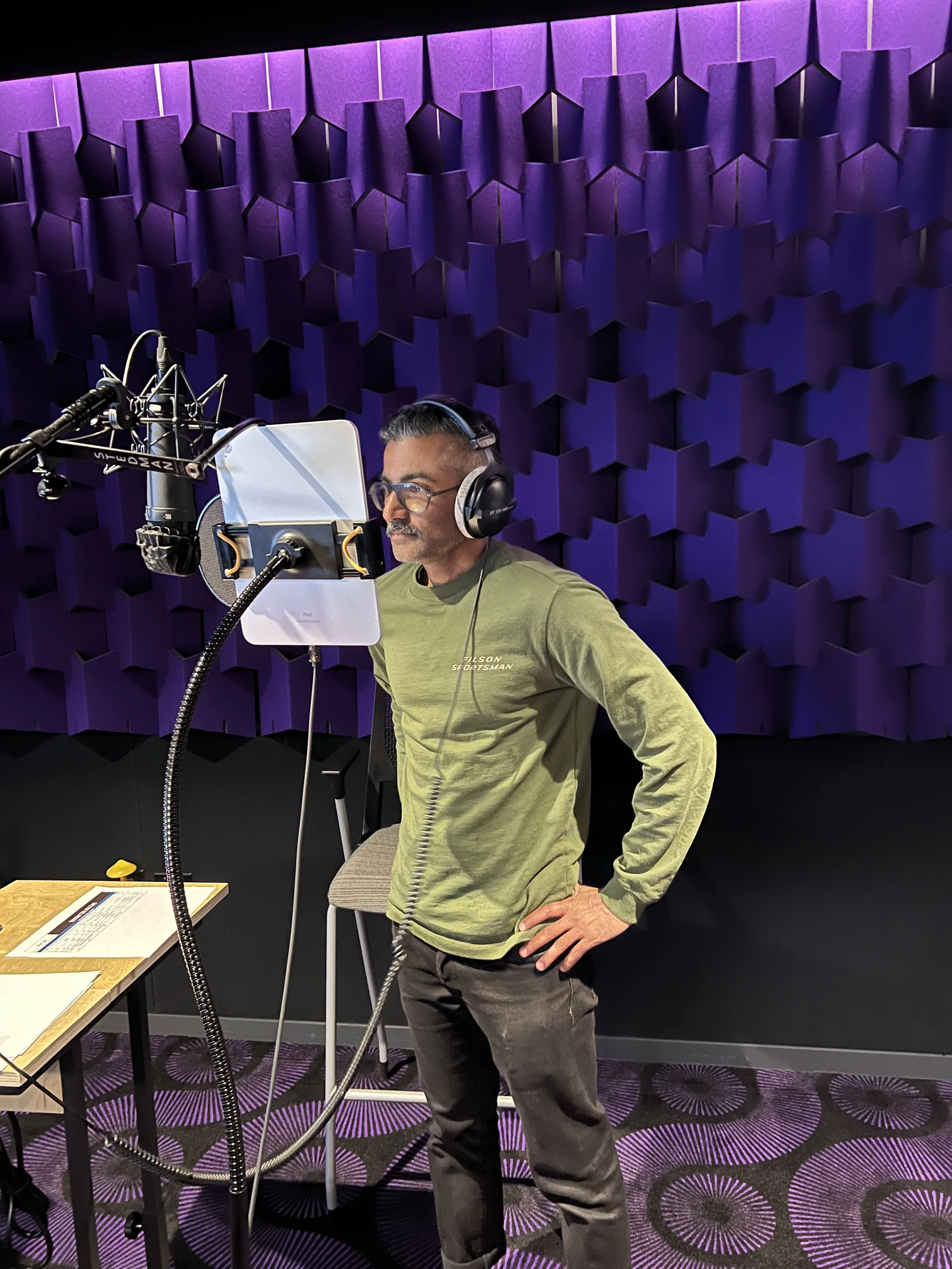
Sanjay Shah at the mic booth at the Titmouse Production office for Everybody Still Hates Chris.
SANJAY: For me, this is the best part. I’ve only worked with comedy writers but I love working with comedy writers. I’ve met some of the weirdest, funniest, darkest people in my life in comedy rooms. Some have become life long friends. Sure, at times it can be hard. Collaborating with the type of people who are drawn to working in comedy, especially if they’re good, probably should be hard. I got a piece of advice once about working on tv shows: “One thing will always be bad, and that bad thing will be really, really bad.” That’s my expectation. So when it’s good, I really enjoy it.
MARK: Here’s the thing. I love the life of the solitary writer. Always have, always will. I don’t live in LA, I live on Cape Cod, and I work at home. Every day, my wife, who’s an artist, walks to her studio that’s about fifty feet away, and I go up to my office. My dog snoozes at my feet. My wife and I have lunch and dinner together. Almost always. Day in and day out. This is heaven for me.
All that said, I greatly enjoyed my experience working with other writers in a room, and would gladly do it again. There was an excitement and energy to it that my dog simply can’t provide (even though his agent consistently demands a shared “story by” credit).
Moving Forward
With all that’s been said, can you speak to one or two things you would do differently/the same on a next show?
DEREK: I think the most important thing for me is insisting on having enough time to complete all scripts before heading into pre-production. This is more common practice now but it wasn’t even 5-6 years ago. I think I would also prefer working with as few writers and directors as possible. Keeping the team small and honed is more efficient and requires a lot less time communicating. For instance, on THE SINNER we shot in a pretty traditional model where there was a new guest director for every episode. That required so much energy bringing a new director up to speed over and over again.
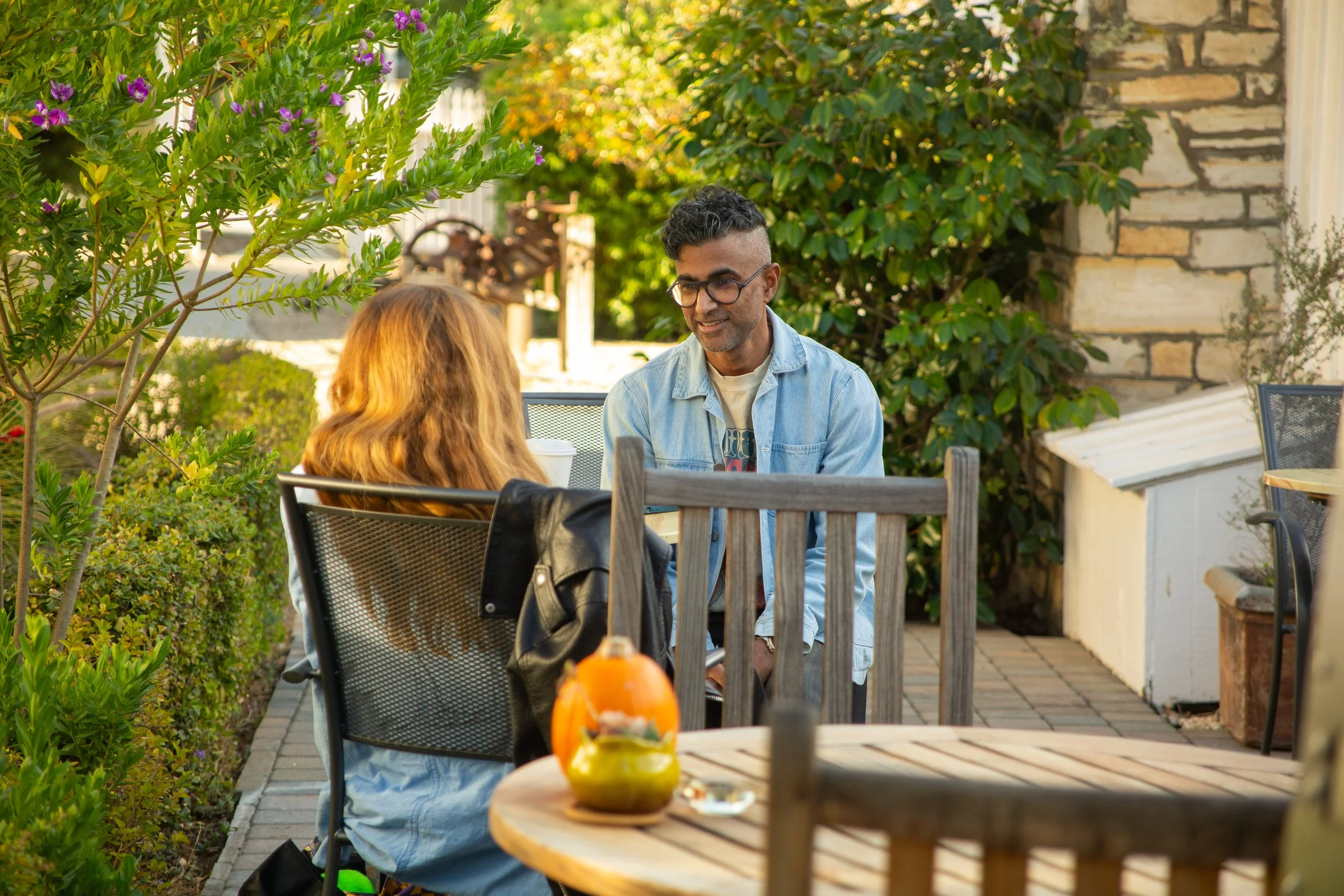
Sanjay Shah Mentoring at a Stowe Story Labs Writers’ Retreat
SANJAY: On the next show, I think I’d trust my instincts more without trying to think through every possible way a decision might play out. There are just so many decisions to be made when running a show. Overthinking is a great way to burn out. But I’d approach a lot of it in a similar way – especially how much time I put into every hiring decision and how little time I put into deciding what pants to wear each day. I bought five pairs of the same pants. Best decision ever.
MARK: Here’s the dream…
I’m working on a new show right now, that again, I’m doing on spec, and I’ll complete drafts of the first two episodes (it’s important for me to create at least one incarnation of the show I imagine in my head. It has to exist “on paper,” and not just in thought.) I’ll work out – in detail – the first season’s episodes and what future seasons could entail.
But this time, if it gets set up, I’ll plan on hiring other writers that I choose because I admire their work and think they’d be a great fit. It’ll be a well-considered process, not something rushed.
And even though I’ll have done a lot of “mapping out,” I’ll be open to new ideas and new paths and encourage diverse thought, generating a strong, mutually supportive bond among the writing staff.
Most importantly, I’ll insist that all scripts – for every episode of the entire season – be completed and approved by the studio before the show goes into pre-production.
A boy can dream, can’t he?
I love the vision and thank you all for these insights. See each of you at a writers’ retreat soon I hope, and best of luck with all of your work. Can’t wait to see what is next.
DR
ARTIST BIOS:
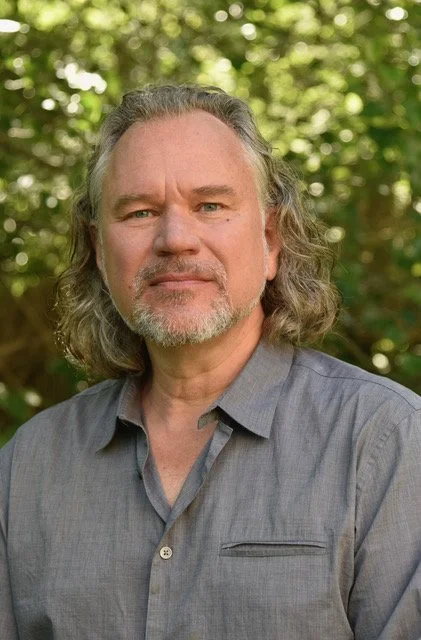
Mark Protosevich
Mark Protosevich is an American screenwriter whose credits include THE CELL, Wolfgang Petersen’s POSEIDON, I AM LEGEND, THOR, and Spike Lee’s OLDBOY. Protosevich recently created the series SUGAR, his first foray into television. Internet trivia likes to point out that in 1996 Protosevich wrote the script for the unproduced BATMAN UNCHAINED and that in 2011 he met with Steven Spielberg to discuss story ideas for JURASSIC PARK IV. Protosevich was born in Chicago, Illinois and is an alumnus of Columbia College Chicago. He currently lives on Cape Cod with his wife, the painter Robena Malicoat.
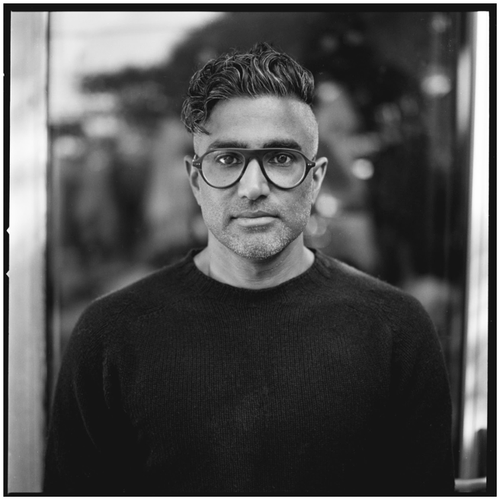
Photo by Nick Rasmussen
Sanjay Shah
Sanjay Shah is under an overall at CBS Studios and is the showrunner/executive producer of Everybody Still Hates Chris which he co-created with Chris Rock for Comedy Central/Paramount+. Prior to that, he was the co-showrunner/executive producer of Apple’s animated musical Central Park. His other television writing credits include Pixar’s Dream Productions, Fresh Off The Boat, King of the Hill, and South Park. He's sold pilots to Netflix, Paramount+, Hulu, ABC, FOX, and NBC. He’s written both live-action and animated features for Pixar, Sony, and Universal. He's a writing mentor at the Sundance Institute’s annual Episodic Lab. Before entertainment, he worked in politics and as a writing tutor at San Quentin Prison.
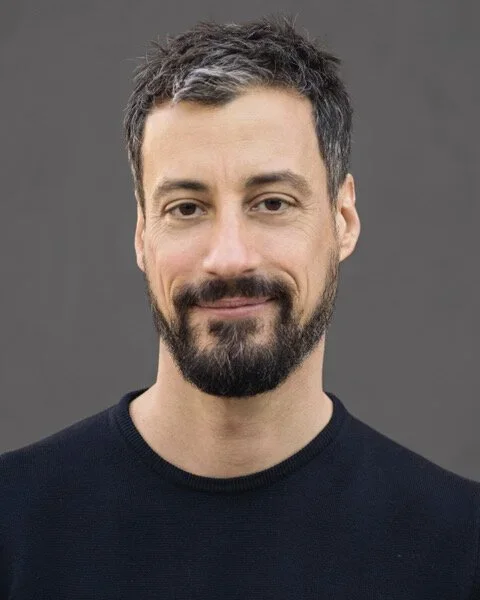
Derek Simonds
Derek is a writer, filmmaker, and the creator/showrunner of USA Network’s hit series, The Sinner, which broadcast its fourth and final season in November 2021. In 2017, The Sinner debuted as the #1 new cable series of the year, and received two Golden Globe nominations, including Best Limited Series and an Emmy nomination. Derek has developed numerous independent film projects as a writer and director, most recently executive producing Sony Pictures Classics Oscar-winning release, Call Me By Your Name. Derek was a writer on the ABC miniseries event, When We Rise, a recounting of the gay civil rights movement created by Dustin Lance Black, as well as ABC’s 2015 limited series, Astronaut Wives Club. He has developed television pilots for Universal Content Productions, ABC Studios, and TNT, and also wrote and directed his debut feature film, Seven and a Match. He is currently developing new television projects for Peacock and UCP.
INTERVIEWED BY:
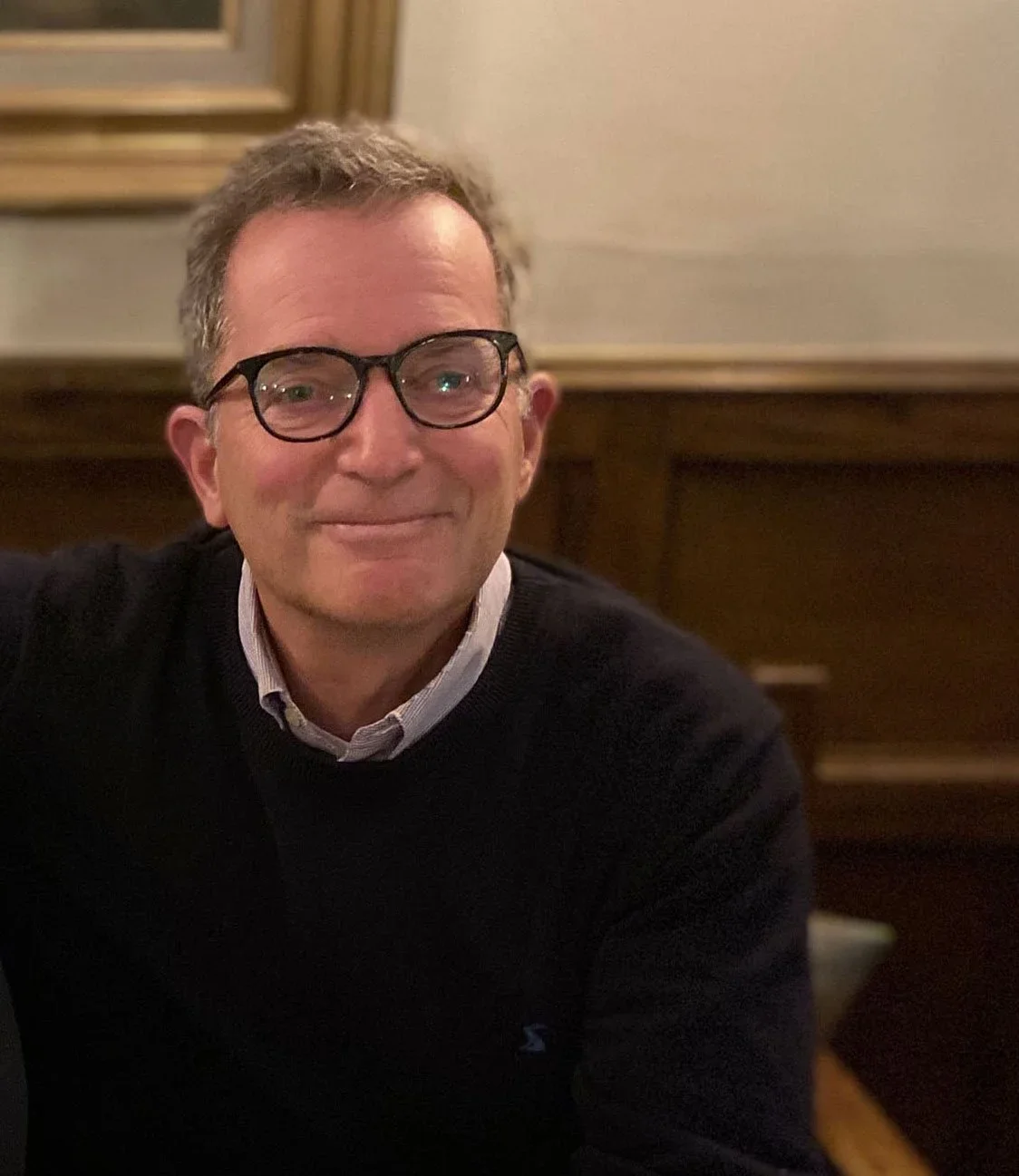
David Rocchio, Stowe Story Labs Founder and Director
David Rocchio is an attorney, writer, and Emmy-nominated filmmaker. David conceived and co-produced with James Rogan The Gun Shop, an Emmy-nominated one-hour documentary commissioned by the UK Channel 4’s Cutting Edge series, where it premiered prime time and was awarded top reviews. It then played worldwide. David’s award-winning short films have played internationally, including the Cannes Short Film Corner and Italy’s Capalbio International Short Film Festival (Best of Capalbio). His most recent short film Gary, Jr. was produced and directed by Bertha Bay Sa Pan.
In addition to creating his own work, David founded and runs the nonprofit Stowe Story Labs, which is dedicated to helping top emerging screenwriters and filmmakers get work made and seen. Now in its fourteenth year, Stowe works with approximately 200 emerging talents annually at labs, retreats, workshops, advanced development programs, mentoring programs, and film production programs.
David’s last job as a lawyer was as Legal Counsel to Vermont’s then-Governor Howard Dean. He was a nationally certified EMT and member of the Mt. Mansfield Ski Patrol (Stowe, Vermont) for 22 years, and he remains an avid backcountry skier. David lives in Stowe.